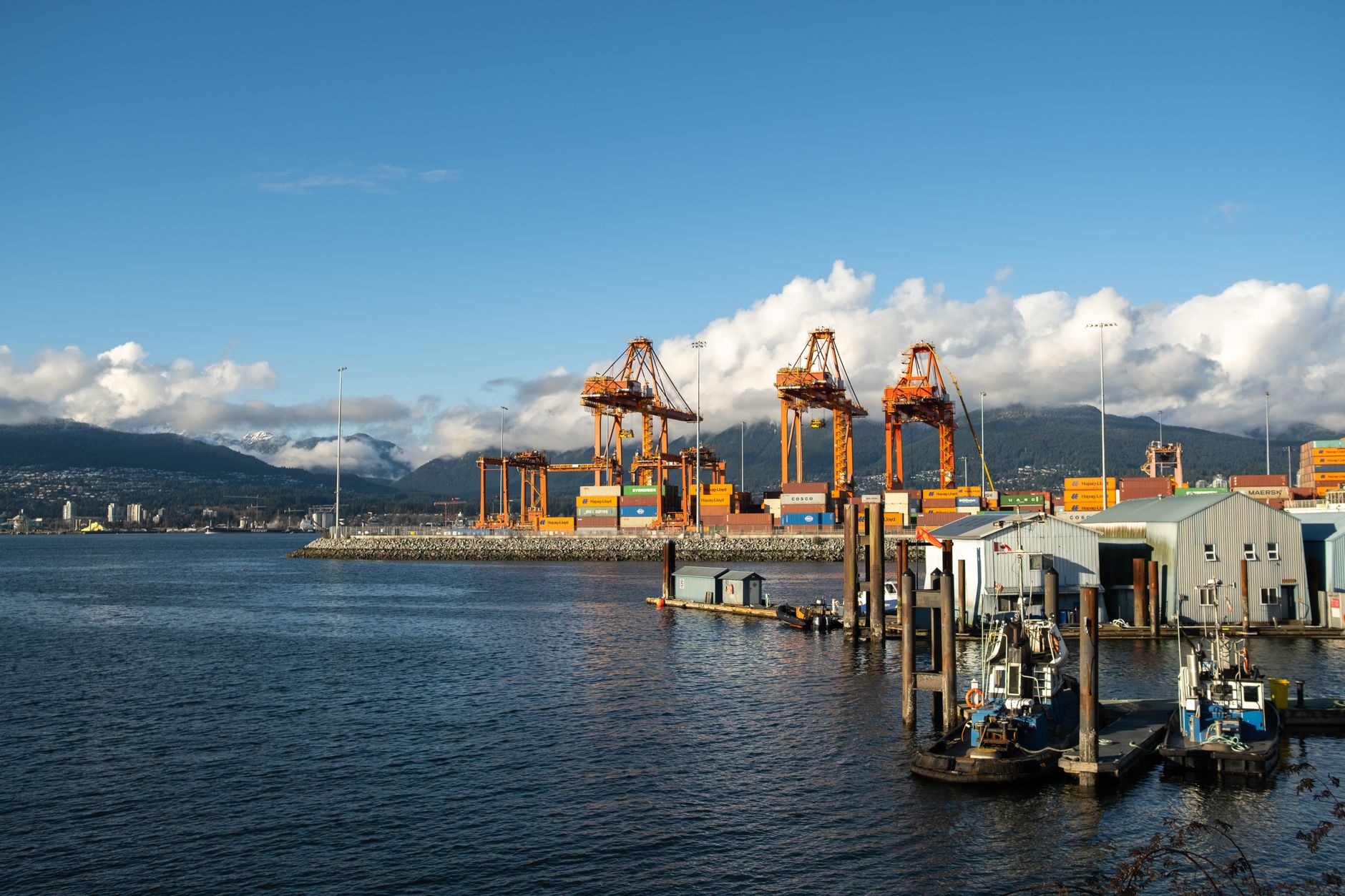
Prime Minister Mark Carney has announced a new pipeline project that aims to connect Alberta's oil sands to a Vancouver port, targeting growing Asian demand. This ambitious plan could significantly alter Canada's energy export landscape.
Trans Mountain Corp., a government-owned pipeline operator, will construct a new export pipeline capable of transporting 1 million barrels of oil per day. This pipeline will facilitate shipments to Asia, including countries like Japan, Korea, China, and India, and aims to boost Alberta's economy by reducing reliance on the U.S. market. The estimated construction cost ranges from C$35.2 billion to C$43.7 billion, with a potential GDP increase of over 0.6% annually by the 2040s.
Advertisement
Pembina Pipeline Corp Pref A
PPL-PA.TO
PPL-PA.TO
Pembina Pipeline Corp Pref A
 WealthAwesome
Market cap
$39.73B
P/E
11.3x
Div. yield
11.27%
Div. / share
$2.88
52W high
$25.86
52W low
$22.45
Beta
0.75
Wealth Awesome Price Forecast
WA ModelStatistical 90-day price range based on PPL-PA's historical volatility
30-Day Vol
9.3%
Annualized
90-Day Vol
8.6%
Annualized
Trend (90d)
+6.6%
Annualized drift
90d Mean
C$26.40
Expected price
| Horizon | Expected | 68% Range (1σ) |
|---|---|---|
| 30 trading days | C$25.99 | C$25.17 – C$26.84 |
| 60 trading days | C$26.20 | C$25.03 – C$27.41 |
| 90 trading days | C$26.40 | C$24.97 – C$27.91 |
Methodology: Range is calculated using 30-day realized volatility via geometric Brownian motion (log-normal model). 68% band = ±1σ, 95% band = ±2σ. This is a statistical model, not a prediction. Past volatility does not guarantee future results. Not financial advice.
Advertisement
Investor takeaway: This initiative reflects a strategic shift in Canada's energy policy, focusing on diversification and potential economic growth.
What the pipeline project means for Canada's energy future
The pipeline's capacity of 1 million barrels per day and its connection to a deepwater port represent a significant leap in Canada's ability to export oil beyond the U.S. market. This could lead to better pricing for Canadian oil, especially as Asian demand continues to grow, potentially transforming the economic landscape for Alberta and the country as a whole.
Bull case
Potential economic boost:
The pipeline could greatly enhance Alberta's economy by tapping into lucrative Asian markets. With the ability to transport oil via Very Large Crude Carriers (VLCCs), shipping costs and efficiency may improve. The project includes participation from Indigenous communities, which could foster broader support and investment. The Alberta government forecasts a notable increase in GDP, which could positively impact related sectors.
Bear case
Regulatory and financial risks:
The project is expected to cost tens of billions, raising concerns about budget overruns and funding. Regulatory approvals could face delays despite the government's push for expedited processes. Environmental concerns and opposition from local communities could pose challenges to construction and operation. Additionally, the reliance on global oil prices means that economic benefits depend on market conditions.
The Economic Implications of the New Pipeline
Advertisement
The proposed pipeline is expected to significantly impact Alberta's economy by diversifying its oil export markets. By connecting to a deepwater port, Canada can now ship oil to Asia, which is crucial for securing better prices per barrel. This project aligns with the government's strategy to reduce dependence on the U.S. market, especially in light of recent trade tensions.
Regulatory Landscape and Challenges Ahead
While the project has received initial backing, it must navigate a complex regulatory environment. The Alberta government has submitted the proposal to the federal Major Projects Office for review, which could expedite the approval process. However, potential environmental concerns and community opposition may still pose significant hurdles that could delay construction.
Indigenous Participation and Economic Benefits
The pipeline project promises meaningful ownership stakes for Indigenous communities, aiming to foster collaboration and support. This inclusion is not only a step towards reconciliation but also positions these communities to benefit economically from the project. The Alberta government anticipates that the pipeline could contribute to an annual increase in GDP, showcasing the potential for broad economic uplift.
Best next step
Keep exploring this topic
If you want to go deeper, these are the most useful follow-up pages and tools for this topic.
Broker comparison
Best trading platforms in Canada
Compare $0-commission brokers before you act on a ticker story.
Safe cash
Best GIC rates in Canada
If the story makes you want to de-risk, compare guaranteed rates next.
HISA roundup
Best high-interest savings accounts
Keep dry powder in a no-fee savings account instead of chequing.
TFSA room
Check TFSA contribution room
Shelter the next contribution before you buy.
Advertisement

Wealth Awesome
Timely coverage of Canadian stocks, earnings, dividends, and market movers for DIY investors. Stories are checked against exchange data and public filings.
View Full Profile →✅ Reviewed by Certified Financial Professionals
This content has been reviewed by CFA® charterholders and Certified Financial Planners (CFP®) with over a decade of experience in Canadian financial markets. All information is fact-checked against official Canadian sources and regulations.
Why these credentials matter: CFA® charterholders complete 900+ hours of rigorous study in investment analysis and ethics. CFP® professionals are held to the highest standards of financial planning competency and fiduciary duty in Canada.
⚠️ Professional Disclaimer
This content is for educational purposes only and should not be considered personalized financial advice. While our team brings professional expertise, individual circumstances vary. For personalized guidance, consult with a qualified financial advisor, tax professional, or mortgage specialist.


