For Canadian investors looking to gain exposure to the U.S. stock market, two popular exchange-traded funds (ETFs) often come into consideration: Vanguard S&P 500 Index ETF (VFV) and Vanguard S&P 500 ETF (VOO).
While both track the S&P 500 index, there are crucial differences that Canadian investors should understand before making a decision.
Advertisement
Meta Description: Discover the key differences between VFV and VOO ETFs. Learn about their performance, fees, and tax implications for Canadian investors in this comprehensive guide.
Comparison VFVTO vs VOO
| Feature | VFV | VOO |
|---|---|---|
| Full Name | Vanguard S&P 500 Index ETF | Vanguard S&P 500 ETF |
| Trading Currency | Canadian Dollars (CAD) | U.S. Dollars (USD) |
| Management Expense Ratio (MER) | 0.09% | 0.03% |
| Dividend Yield | 1.07% | 1.29% |
| Withholding Tax (for Canadians) | 15% | 0% (in RRSP) |
| 10 Year Performance | 319.21% | 257.73% |
| Currency Hedging | No | N/A |
What are Index Funds?
Before diving deeper into the comparison, let's understand what index funds are:
-
An index fund is a type of mutual fund or ETF that aims to track the performance of a specific market index.
-
These funds hold a diversified portfolio of stocks or other securities that mirror the composition of the chosen index.
-
Index funds offer a cost-effective way to achieve broad market exposure and diversification.
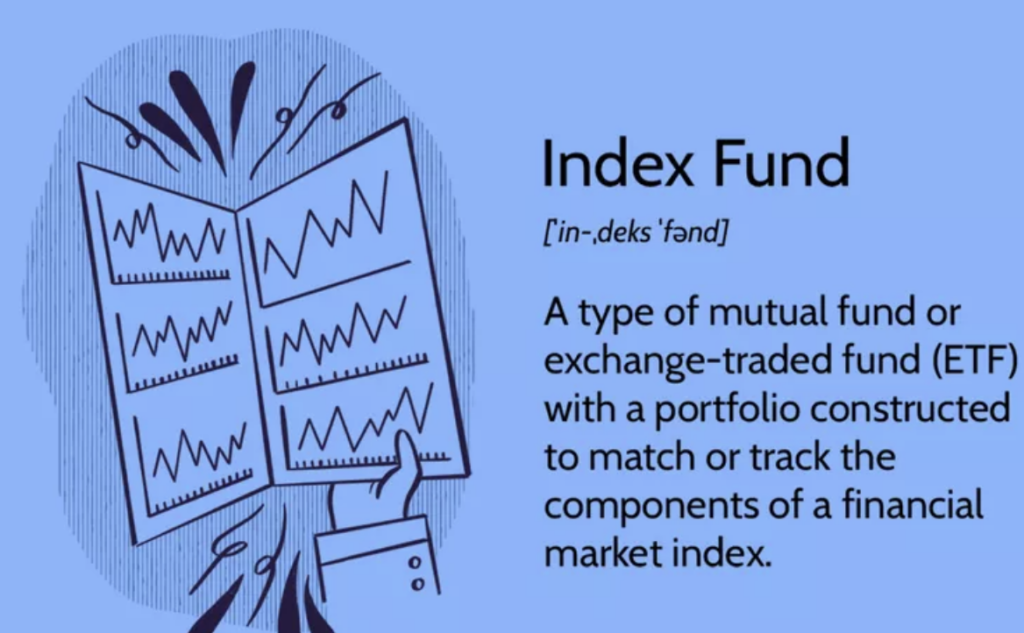
For more information on index funds, check out Investopedia's guide to index funds.
Benefits of Index Funds:
-
Low costs due to passive management
-
Broad market exposure
-
Reduced risk through diversification
-
Transparent holdings
Vanguard, the company behind both VFV and VOO, has a rich history in the world of index investing:
-
Founded by John Bogle in 1975
-
Launched the first index fund tracking the S&P 500 in the same year
-
Currently the largest issuer of mutual funds globally
-
Second-largest issuer of ETFs worldwide
Vanguard's low-cost approach and investor-friendly philosophy have made it a favorite among both individual and institutional investors. Learn more about Vanguard's history and philosophy on their official website.

In-Depth Comparison: VFV vs VOO
1. Structure and Domicile
-
VFV: Canadian-domiciled ETF that holds VOO
-
VOO: U.S.-domiciled ETF that directly holds S&P 500 stocks
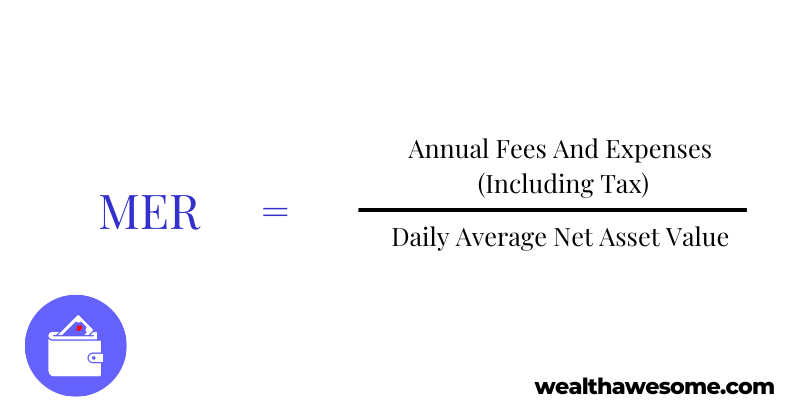
2. Management Expense Ratio (MER)
-
VFV: 0.09%
-
VOO: 0.03%
The difference in MER is due to VFV's structure as a "wrapper" ETF that holds VOO, adding an extra layer of management costs. For a deeper understanding of MER and its impact on investments, read this article from the Canadian Securities Administrators.
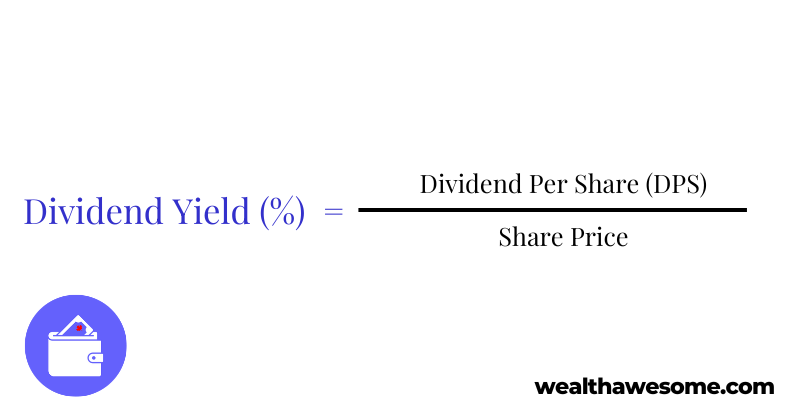
3. Dividend Yield
-
VFV: 1.07%
-
VOO: 1.29%
The lower yield for VFV is primarily due to the withholding tax on dividends for Canadian investors.
4. Withholding Tax Implications
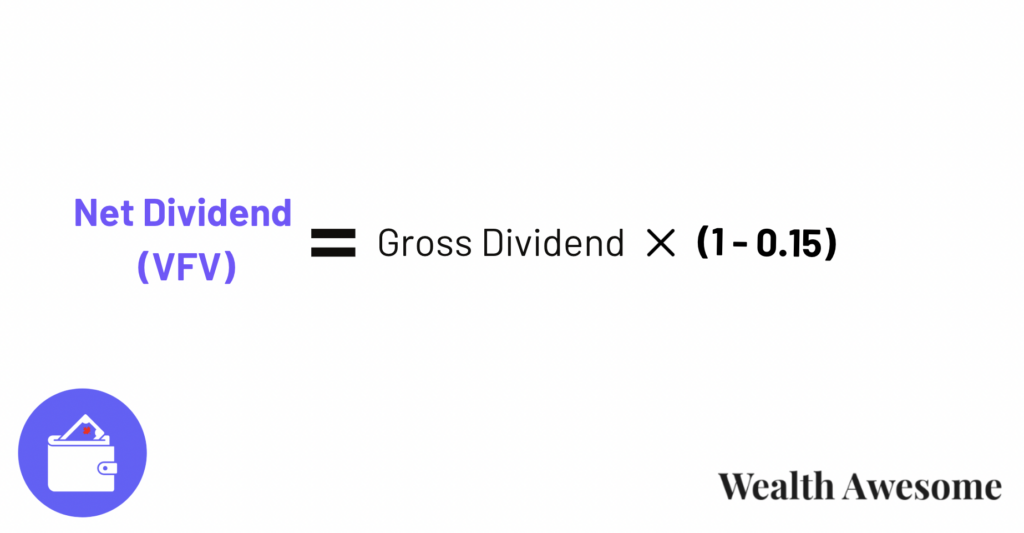
- VFV: 15% withholding tax on dividends for all account types
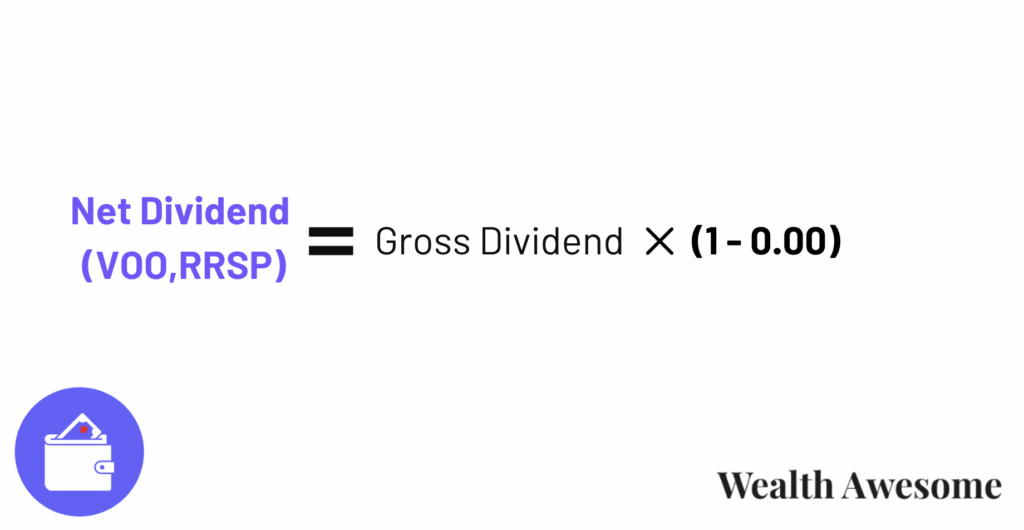
- VOO:
-
0% withholding tax when held in an RRSP
-
15% withholding tax in other account types (TFSA, non-registered)
-
For more information on foreign withholding taxes for Canadian investors, check out this comprehensive guide from Canadian Couch Potato.
5. Currency Considerations
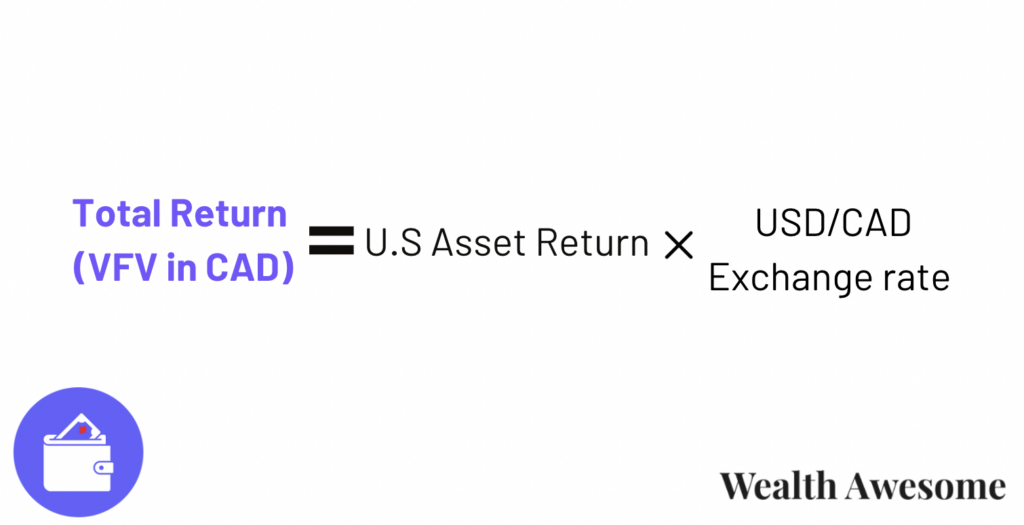
- VFV: Trades in CAD, but holds U.S. assets (no currency hedging)
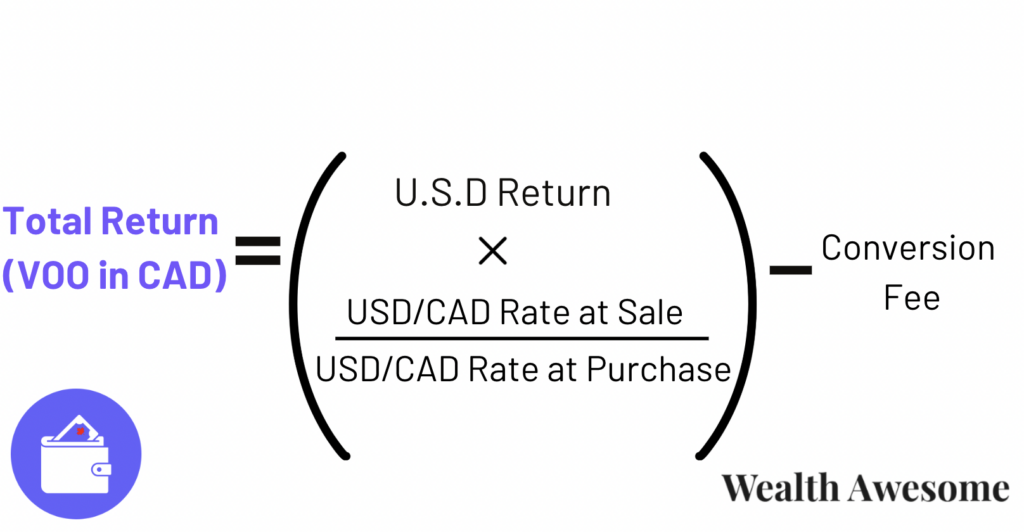
- VOO: Trades in USD, requires currency conversion for Canadian investors
Impact of Currency Fluctuations:
When investing in VFV, the CAD-USD exchange rate can affect the ETF's value beyond the underlying stocks' performance. If the U.S. dollar strengthens against the Canadian dollar, VFV's value in CAD terms will increase, and vice versa.
To understand the impact of currency fluctuations on international investments, read this article from Morningstar.
6. Performance
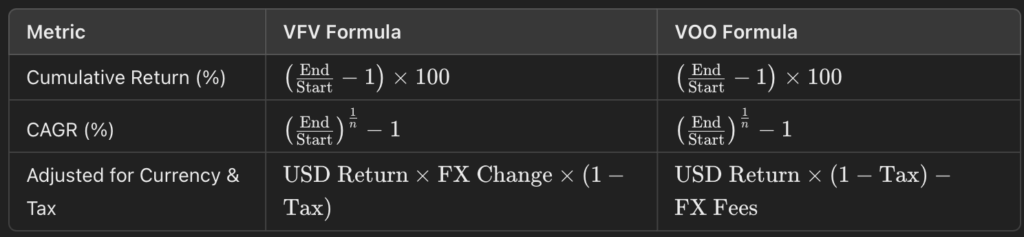
While both ETFs track the S&P 500, their performance can differ due to factors like currency fluctuations, withholding taxes, and tracking error.
-
VFV 10-Year Performance: 319.21%
-
VOO 10-Year Performance: 257.73%
Note: Past performance does not guarantee future results. For up-to-date performance data, visit the Vanguard Canada website for VFV and the Vanguard U.S. website for VOO.
Choosing Between VFV and VOO
The decision between VFV and VOO depends on several factors:
-
Account Type: If investing in an RRSP, VOO may be more tax-efficient due to the withholding tax exemption.
-
Currency Conversion Costs: If you're comfortable with Norbert's Gambit or have access to low-cost USD conversion, VOO might be more cost-effective in the long run.
-
Simplicity: VFV offers the convenience of trading in Canadian dollars, which may be preferable for some investors.
-
Long-term Costs: VOO's lower MER can lead to significant savings over time, especially for larger portfolios.
-
Currency Risk Tolerance: Investors comfortable with CAD-USD fluctuations might prefer the potential upside of an unhedged ETF like VFV.
For a detailed guide on how to choose the right ETF for your portfolio, check out this resource from the Ontario Securities Commission.
Frequently Asked Questions About VFV and VOO
Should I invest in VFV or VOO?
The choice between investing in VFV or VOO depends on your investment goals, currency preference, and tax considerations. VFV is suitable if you prefer to invest in Canadian dollars and avoid currency conversion fees. VOO may be preferable if you are looking to invest directly in US dollars. It is essential to consider your financial situation and possibly consult with a financial advisor.
What is the VFV equivalent to?
VFV is equivalent to VOO in terms of the index they track; both are designed to mirror the performance of the S&P 500. However, VFV is traded in Canadian dollars on the Toronto Stock Exchange, while VOO is traded in US dollars on the New York Stock Exchange.
Is VFV a good long-term investment?
VFV can be considered a good long-term investment for those looking to gain exposure to the S&P 500, one of the leading stock indices in the United States. However, like any investment, it comes with risks and should be considered within the broader context of your financial goals and market conditions.
Is VFV the same as VOO on Reddit?
On platforms like Reddit, VFV and VOO are often discussed as equivalents in terms of the index they track; however, they differ in currency and trading location. This distinction might influence discussions, especially regarding investment strategies, tax implications, and accessibility for investors in different regions.
Conclusion
Both VFV and VOO offer Canadian investors excellent exposure to the U.S. stock market through the S&P 500 index. VFV provides convenience for CAD investors, while VOO offers lower fees and potential tax advantages in RRSPs. Consider your investment goals, account types, and comfort with currency management when making your decision.
Remember to consult with a financial advisor to determine the best investment strategy for your individual circumstances.
Call to Action: Ready to start investing in the U.S. market? Open an account with a Canadian broker that offers both VFV and VOO to give yourself flexibility in your investment choices. Consider using a platform like Questrade or Wealthsimple Trade for low-cost ETF investing.
Best next step
Keep exploring this topic
If you want to go deeper, these are the most useful follow-up pages and tools for this topic.
Tax planning
Estimate your take-home pay first
Use the tax calculator before choosing software, moving cash, or making a savings plan.
Banking next step
Compare high-interest savings accounts
Move from banking basics into current cash rates and safer places to park your money.
Savings tool
See how compound growth adds up
Turn a practical money question into a long-term plan with a quick growth projection.
Advertisement
7 stocks to buy and hold forever
Proven winners for income investors — blue-chip dividend stocks to hold for decades.
Get the FREE Report
Qayyum Rajan, CFA
Qayyum is the CEO of Wealth Awesome, a leading Canadian personal finance publication. As a CFA charterholder with extensive experience in fintech, data science, and quantitative finance, he brings a unique analytical perspective to investing and wealth management.
View Full Profile →✅ Reviewed by Certified Financial Professionals
This content has been reviewed by CFA® charterholders and Certified Financial Planners (CFP®) with over a decade of experience in Canadian financial markets. All information is fact-checked against official Canadian sources and regulations.
Why these credentials matter: CFA® charterholders complete 900+ hours of rigorous study in investment analysis and ethics. CFP® professionals are held to the highest standards of financial planning competency and fiduciary duty in Canada.
⚠️ Professional Disclaimer
This content is for educational purposes only and should not be considered personalized financial advice. While our team brings professional expertise, individual circumstances vary. For personalized guidance, consult with a qualified financial advisor, tax professional, or mortgage specialist.