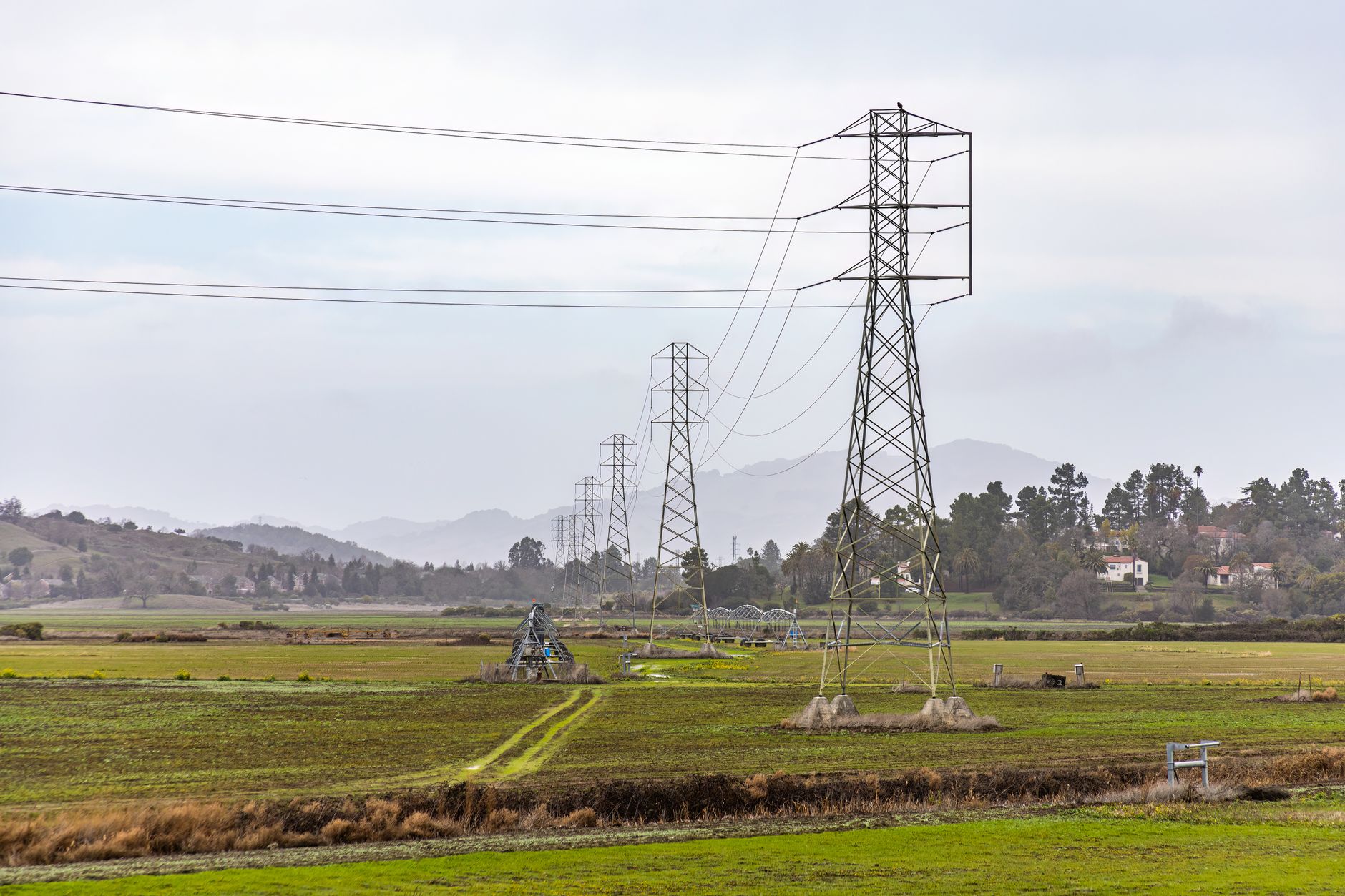
In a significant move, the federal and Alberta governments have designated a proposed pipeline to transport one million barrels of oil daily to the B.C. coast as a project of national interest. This designation aims to bolster Canada's energy independence and economic growth.
On October 1, 2026, the federal government and Alberta officials announced that the West Coast oil pipeline will be the first project recognized as being in the national interest. This designation is expected to streamline the regulatory process and enhance Canada's capacity to export oil, which could have wide-ranging implications for the country's economy and energy sector. The pipeline is projected to create around 140,000 jobs during its construction phase and contribute significantly to Canada's GDP.
Investor takeaway: This designation marks a pivotal moment for Canada's energy strategy, emphasizing the government's commitment to expanding oil exports.
Advertisement
Projected Economic Impact of the West Coast Oil Pipeline
The West Coast oil pipeline is expected to contribute approximately $20 billion annually to Canada's GDP and generate around $100 billion in government revenue by 2060, highlighting its potential economic significance.
Bull case
- The designation is expected to speed up the regulatory process, which could lead to quicker construction and operation of the pipeline.
- It may open up new markets for Canada's oil exports, reducing reliance on the U.S. and promoting economic stability.
- The anticipated job creation and GDP contribution could give a significant boost to the Canadian economy.
Bear case
- The pipeline faces strong opposition from Indigenous communities and environmental activists, which could result in legal challenges and delays.
- Increased oil exports might raise environmental concerns, potentially affecting public opinion and regulatory scrutiny.
- Global oil prices could be impacted by the pipeline's capacity, influencing market dynamics and economic forecasts.
Understanding the National Interest Designation
Advertisement
The national interest designation allows the West Coast oil pipeline to bypass some regulatory hurdles, speeding up its approval process. This move is seen as a way to enhance Canada's energy independence and reduce reliance on U.S. oil imports. The federal government aims to streamline environmental assessments, though this may lead to increased scrutiny from environmental groups and Indigenous communities.
Economic Implications of the Pipeline
The pipeline is projected to create approximately 140,000 jobs during its construction phase and contribute significantly to Canada's GDP. The Alberta government and the Canadian Association of Petroleum Producers (CAPP) have expressed strong support for the project, emphasizing its potential to secure economic sovereignty and enhance the country's position in global oil markets.
Challenges Ahead for the Pipeline Project
Despite the anticipated economic benefits, the West Coast oil pipeline faces significant opposition. Indigenous communities and environmental activists have raised concerns about potential ecological impacts and the rights of local populations. The ongoing debate around the pipeline highlights the complexities of energy development in Canada, where economic interests often clash with environmental and social considerations.
Best next step
Keep exploring this topic
If you want to go deeper, these are the most useful follow-up pages and tools for this topic.
Broker comparison
Best trading platforms in Canada
Compare $0-commission brokers before you act on a ticker story.
Safe cash
Best GIC rates in Canada
If the story makes you want to de-risk, compare guaranteed rates next.
HISA roundup
Best high-interest savings accounts
Keep dry powder in a no-fee savings account instead of chequing.
TFSA room
Check TFSA contribution room
Shelter the next contribution before you buy.
Advertisement

Wealth Awesome
Timely coverage of Canadian stocks, earnings, dividends, and market movers for DIY investors. Stories are checked against exchange data and public filings.
View Full Profile →✅ Reviewed by Certified Financial Professionals
This content has been reviewed by CFA® charterholders and Certified Financial Planners (CFP®) with over a decade of experience in Canadian financial markets. All information is fact-checked against official Canadian sources and regulations.
Why these credentials matter: CFA® charterholders complete 900+ hours of rigorous study in investment analysis and ethics. CFP® professionals are held to the highest standards of financial planning competency and fiduciary duty in Canada.
⚠️ Professional Disclaimer
This content is for educational purposes only and should not be considered personalized financial advice. While our team brings professional expertise, individual circumstances vary. For personalized guidance, consult with a qualified financial advisor, tax professional, or mortgage specialist.