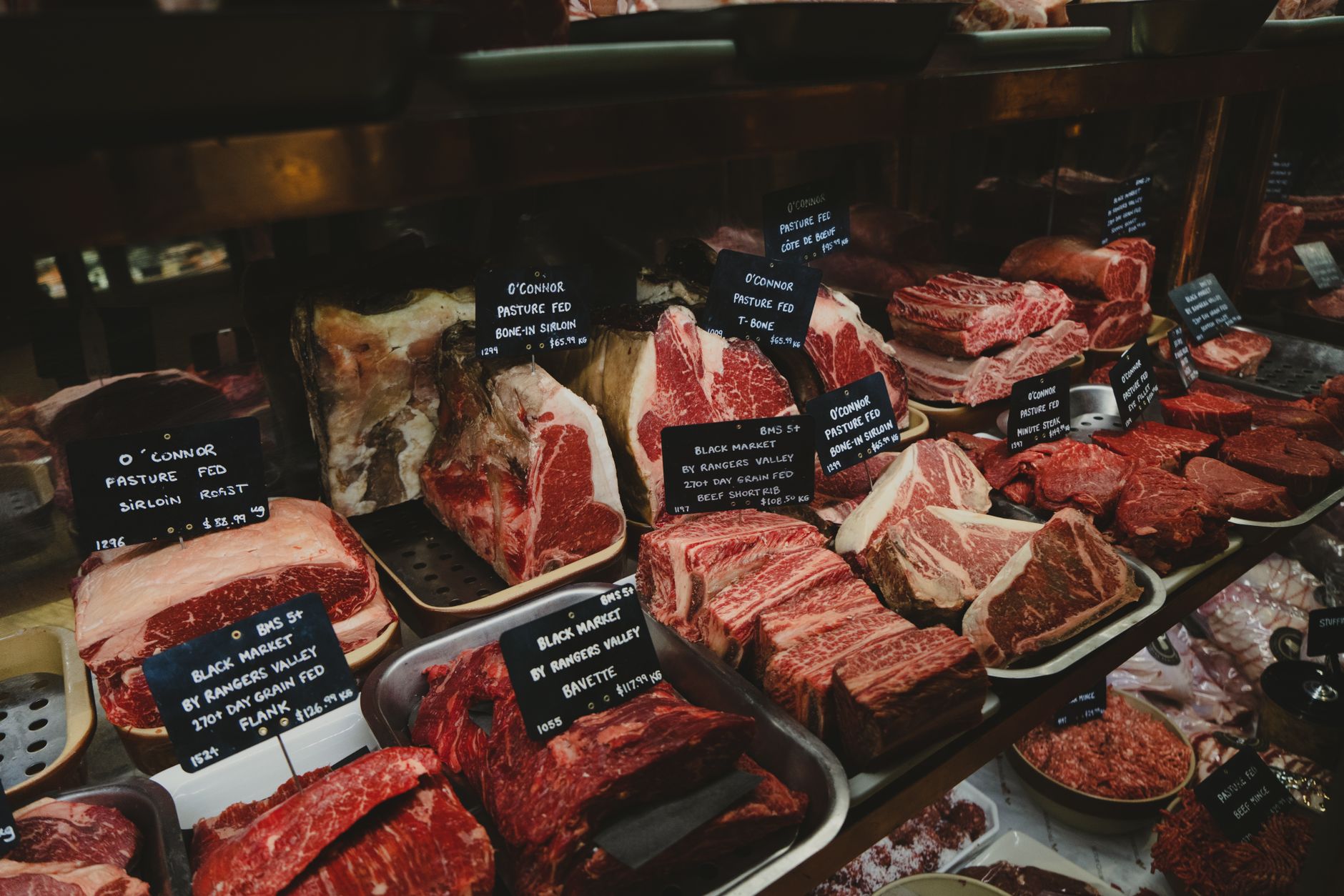
Australian beef is flooding Saskatchewan grocery stores at prices significantly lower than Canadian beef, raising questions about market dynamics and competition.
The recent influx of Australian beef into Canadian grocery stores, especially in Saskatchewan, has led to noticeably lower prices compared to domestic options. This price gap is due to various factors, including production costs and market competition. As consumers look for more affordable choices, the impact on local beef producers is becoming more pronounced.
Advertisement
Loblaw Companies Limited
L.TO
L.TO
Loblaw Companies Limited
 WealthAwesome
Market cap
$71.82B
P/E
27.5x
Div. yield
0.93%
Div. / share
$0.58
52W high
$69.10
52W low
$52.42
1W change
-1.00%
Beta
0.35
Analyst Price Targets
Based on analyst covering L · as of Sep 17, 2026
Wall Street analysts forecast L stock price to rise 11.3% over the next 12 months.
Consensus
Moderately BullishBased on avg. target vs last close (formal rating unavailable for Canadian listings)
Avg. Target
C$69.20
+11.3% Upside
Current Price
C$62.15
Last close
Targets are snapshotted when they change. Unchanged figures keep their original date. Not financial advice.
Wealth Awesome Price Forecast
WA ModelStatistical 90-day price range based on L's historical volatility
30-Day Vol
20.5%
Annualized
90-Day Vol
20.3%
Annualized
Trend (90d)
-16.2%
Annualized drift
90d Mean
C$58.66
Expected price
| Horizon | Expected | 68% Range (1σ) |
|---|---|---|
| 30 trading days | C$60.96 | C$56.81 – C$65.43 |
| 60 trading days | C$59.80 | C$54.11 – C$66.09 |
| 90 trading days | C$58.66 | C$51.90 – C$66.30 |
Methodology: Range is calculated using 30-day realized volatility via geometric Brownian motion (log-normal model). 68% band = ±1σ, 95% band = ±2σ. This is a statistical model, not a prediction. Past volatility does not guarantee future results. Not financial advice.
Advertisement
Investor takeaway: This trend highlights the complexities of the beef market and its implications for local producers and consumers alike.
Understanding the Price Gap: Australian vs. Canadian Beef
The price difference between Australian and Canadian beef comes from several factors, such as lower production costs in Australia and the competitive global beef market. With Canadian beef prices remaining high due to domestic challenges, consumers are likely to be drawn to cheaper imports.
Bull case
The arrival of Australian beef gives consumers a more affordable option, which could boost overall market competition. Lower prices may encourage Canadians to buy more beef, benefiting retailers. As Canadian producers adjust to this new competition, there could be opportunities for innovation and efficiency improvements within the industry.
Bear case
The influx of cheaper Australian beef might pressure Canadian producers, leading to a loss of market share and potential price wars. This situation could worsen existing challenges within the Canadian beef industry, including high production costs and structural inefficiencies. If local producers struggle to compete, it could cause long-term damage to the domestic market.
The Competitive Landscape of Beef Pricing
Advertisement
The introduction of Australian beef into the Canadian market has intensified competition among beef suppliers. Australian beef is often produced at lower costs due to efficient farming practices and favorable climate conditions. This competitive pricing appeals to consumers, especially in regions where beef prices have traditionally been high. As a result, Canadian beef producers face increasing pressure to lower their prices or risk losing market share.
Impacts on Canadian Beef Producers
The surge in Australian beef imports presents significant challenges for Canadian beef producers. Many local farmers are already dealing with high production costs, which are worsened by the arrival of cheaper imports. As consumers lean towards lower-priced options, Canadian producers may need to rethink their pricing strategies and find ways to enhance their competitiveness. This situation could lead to a reassessment of production practices and market positioning within the industry.
Future Outlook for the Canadian Beef Market
Looking ahead, the Canadian beef market may need to adapt to the changing dynamics introduced by Australian imports. While consumers benefit from lower prices in the short term, the long-term effects on local producers remain uncertain. The Canadian beef industry may need to focus on quality differentiation, sustainability, and innovative practices to maintain its market presence. As the global beef market continues to evolve, Canadian producers must navigate these challenges to ensure their viability.
Best next step
Keep exploring this topic
If you want to go deeper, these are the most useful follow-up pages and tools for this topic.
Broker comparison
Best trading platforms in Canada
Compare $0-commission brokers before you act on a ticker story.
Safe cash
Best GIC rates in Canada
If the story makes you want to de-risk, compare guaranteed rates next.
HISA roundup
Best high-interest savings accounts
Keep dry powder in a no-fee savings account instead of chequing.
TFSA room
Check TFSA contribution room
Shelter the next contribution before you buy.
Advertisement

Wealth Awesome
Timely coverage of Canadian stocks, earnings, dividends, and market movers for DIY investors. Stories are checked against exchange data and public filings.
View Full Profile →✅ Reviewed by Certified Financial Professionals
This content has been reviewed by CFA® charterholders and Certified Financial Planners (CFP®) with over a decade of experience in Canadian financial markets. All information is fact-checked against official Canadian sources and regulations.
Why these credentials matter: CFA® charterholders complete 900+ hours of rigorous study in investment analysis and ethics. CFP® professionals are held to the highest standards of financial planning competency and fiduciary duty in Canada.
⚠️ Professional Disclaimer
This content is for educational purposes only and should not be considered personalized financial advice. While our team brings professional expertise, individual circumstances vary. For personalized guidance, consult with a qualified financial advisor, tax professional, or mortgage specialist.