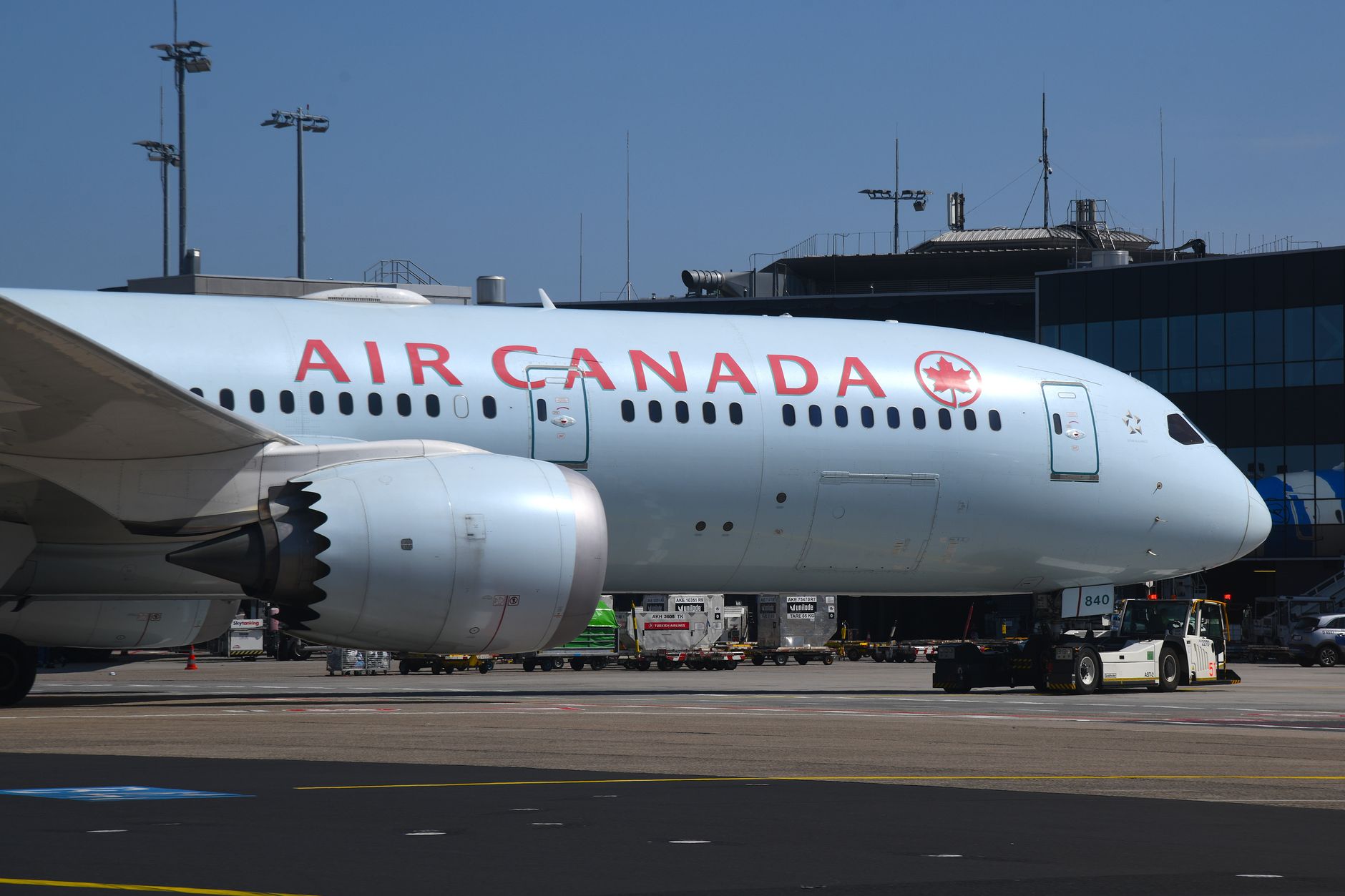
In yesterday's trading, Air Canada shares jumped 3.5% after the airline announced a tentative agreement with its machinists' union. This news suggests potential stability in operations as the airline continues to recover from recent challenges.
The stock's rise reflects positive sentiment around labor negotiations. The tentative agreement with the International Association of Machinists and Aerospace Workers (IAMAW) is a significant step toward operational stability for Air Canada, which is crucial as it navigates ongoing recovery challenges in the aviation sector. With a market cap of about CA$6.37 billion, Air Canada remains a key player in the Canadian airline industry.
Investor takeaway: This labor agreement could enhance operational efficiency, making Air Canada an attractive long-term hold for investors focused on recovery in the travel sector.
Advertisement

Get up to $2,000 cash back
Open and fund a new Qtrade account with promo code SPRING26. Offer ends July 31, 2026.
Air Canada
AC.TO
AC.TO
Air Canada
 WealthAwesome
Market cap
$7.02B
P/E
10.1x
52W high
$25.50
52W low
$16.45
1W change
-9.85%
Beta
1.65
Analyst Price Targets
Based on analyst covering AC
Wall Street analysts forecast AC stock price to rise 9.4% over the next 12 months.
Consensus
Moderately BullishBased on avg. target vs last close (formal rating unavailable for Canadian listings)
Avg. Target
C$25.03
+9.4% Upside
Current Price
C$22.87
Last close
Analyst ratings and price targets are updated periodically. Not financial advice.
Wealth Awesome Price Forecast
WA ModelStatistical 90-day price range based on AC's historical volatility
30-Day Vol
31.5%
Annualized
90-Day Vol
34.6%
Annualized
Trend (90d)
+50.0%
Annualized drift
90d Mean
C$27.34
Expected price
| Horizon | Expected | 68% Range (1σ) |
|---|---|---|
| 30 trading days | C$24.27 | C$21.77 – C$27.06 |
| 60 trading days | C$25.76 | C$22.09 – C$30.04 |
| 90 trading days | C$27.34 | C$22.65 – C$33.00 |
Methodology: Range is calculated using 30-day realized volatility via geometric Brownian motion (log-normal model). 68% band = ±1σ, 95% band = ±2σ. This is a statistical model, not a prediction. Past volatility does not guarantee future results. Not financial advice.
Air Canada's 3.5% Gain Reflects Confidence in Labor Stability
The 3.5% increase in Air Canada's stock price suggests that investors are optimistic about the airline's operational stability following the tentative labor agreement. This uptick may indicate broader confidence in the airline's ability to navigate its recovery phase effectively, especially as it continues to expand its fleet and improve service quality.
Bull case
- Ratifying labor agreements can boost employee morale and productivity, lowering the risk of strikes or disruptions.
- As Air Canada adds new aircraft to its fleet, it could capture more market share and enhance service offerings, leading to increased revenues.
- Positive investor sentiment around labor stability can create momentum for the stock price.
Bear case
- Despite the good news, Air Canada still faces challenges like rising fuel costs and potential economic downturns that could impact travel demand.
- The airline industry remains volatile, and any future labor disputes could undermine recent gains and shake investor confidence.
- Competition from other carriers could pressure pricing and margins, affecting profitability.
Why Labor Agreements Matter for Air Canada
Labor agreements are vital for airlines as they directly influence operational efficiency and employee satisfaction. The recent tentative agreement with IAMAW, which represents over 11,000 employees, is expected to create a more stable work environment. This stability can enhance productivity and lower the risk of strikes, which have historically troubled the airline industry.
Air Canada's Fleet Expansion: A Key Growth Driver
As Air Canada continues to grow its fleet, including the introduction of new Airbus A321XLR aircraft, the airline is positioning itself to capture a larger market share. This expansion is essential for improving service offerings and meeting rising travel demand, especially as the industry recovers from the pandemic.
Market Sentiment and Future Outlook for AC.TO
The positive market reaction to the labor agreement shows a broader sentiment that Air Canada is on the right track toward recovery. However, investors should stay cautious of potential economic headwinds and competition that could impact the airline's profitability in the future. Keeping an eye on upcoming earnings reports and industry trends will be crucial for assessing the long-term viability of AC.TO.
Advertisement